

Official and authoritative background links used for intake education.
Evidence-informed hernia mesh review
Hernia mesh lawsuit documentation and intake checklist
Hernia mesh reviews typically involve implant records, complication diagnosis, revision surgery documentation, and product identification to help reviewers assess the intake information.


Hernia Mesh Lawsuits
People who sustained catastrophic injuries when their mesh implants failed can pursue a hernia mesh lawsuit against surgical mesh manufacturers. C.R. Bard paid $184 million in 2011 to settle over 3,000 hernia mesh lawsuits, making it the highest hernia mesh litigation settlement to date.
Hernia Mesh Lawsuit Facts
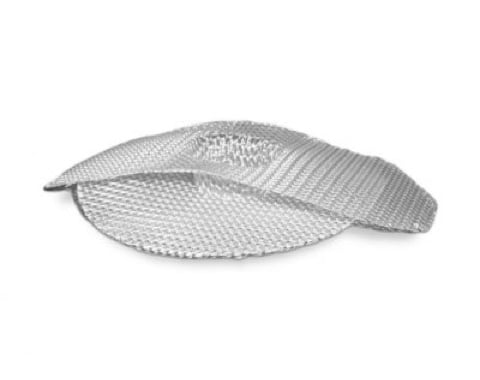
Wrongful death, infections, organ damage, autoimmune problems, adhesions, bowel obstructions
Ethicon, a Johnson & Johnson company; Atrium Medical; Bard Davol
$1.5 million verdict; $184 million settlement
Who Is Eligible to File a Hernia Mesh Lawsuit?
Ways to qualify for a hernia mesh lawsuit include:
- Original hernia repair surgery with mesh on or after Jan. 1, 2006.
- Suffered serious injuries including adhesions, hernia recurrence, intestinal blockage, mesh migration, organ perforation, and infection more than 30 days from the original date of surgery.
- Hernia revision surgery or additional surgery because of complications.
- Additional surgery is scheduled because of complications.
- A surgeon told you that you need additional surgery because of complications.
- You were told you needed surgery because of complications but cannot have it because of medical issues.
If you had hernia mesh surgery and suffered major issues, you may be able to bring a hernia mesh case, especially if the mesh was manufactured by Ethicon, Atrium, or Bard Davol.
To ensure that your lawsuit is filed on time, contact an attorney straight soon. A statute of limitations is a time limit that differs from state to state. You won’t be able to bring a lawsuit if you miss the deadline.
There are a few basic prerequisites for eligibility, which vary depending on the patient or law firm handling cases.
Did you develop cancer after talcum powder exposure?
Free Case Review
People who acquired mesothelioma after using talc-containing goods are also qualified to pursue a claim. Clay, chalk, paper, crayons, pottery, joint compounds, and adhesives are examples of cosmetic, baby powder, and industrial items.
Case Review Form
Evidence-informed hernia mesh review
Campaign guidance, records, and sources
Review the supporting information below before or after completing the private campaign form.
A practical checklist to help organize useful details before review.
Reviewed for intake accuracy by AMMS Compliance Team
Records and details that may help
- Surgical records identifying the mesh product implanted (brand, model, lot number if available)
- Complication diagnosis records including infection, perforation, migration, or chronic pain documentation
- Revision or removal surgery records and treating surgeon information
- Prior product liability claim or attorney inquiry history
Sources used for intake education
These official references are provided for background education only. They do not replace medical or legal advice.
- FDA hernia surgical mesh informationOfficial FDA page covering hernia mesh device information and reported complication types.
1. Submit the intake form
Share your contact details and answer the existing campaign-specific questions.
2. Organize supporting details
Gather the records, dates, communications, and other details listed for this campaign.
3. Intake follow-up
AMMS or an authorized intake partner may contact you for missing or clarifying details.
4. Legal review if appropriate
Qualified legal professionals decide whether a claim can move forward. AMMS does not provide legal advice or guarantee results.
Frequently asked questions
How do I find out what hernia mesh product was used in my surgery?
Your surgeon, the hospital, or your medical records department can often provide operative notes that identify the mesh brand and model used during your procedure.
Does AMMS evaluate whether my mesh complications qualify for a lawsuit?
No. AMMS provides intake and information support. Legal and medical professionals review intake information to make those determinations.
Related AMMS resources
AMMS Legal Intake Research TeamReviewed for intake accuracy by AMMS Compliance TeamLast reviewed: 05/15/2026
Important: AMMS provides intake and educational information. We are not providing medical or legal advice on this page, and submitting a form does not create an attorney-client relationship. Case value, eligibility, filing deadlines, and legal strategy must be reviewed by qualified professionals.