

Official and authoritative background links used for intake education.
Evidence-informed medical device review
Implanted port and catheter records checklist
TIVAD and port catheter reviews focus on the implanted product, procedure records, reported device problem, diagnosis, removal or revision, and treatment timeline.


TIVAD / Port Catheter Lawsuit
TIVAD stands for Totally Implantable Venous Access Device, also known as Port A Caths, which are used to access veins in cancer patients. During the implantation procedure, Tivad ports are placed under the skin and are connected to the vein via a catheter.
During a specific period, a medical device known as TIVAD (Totally Implantable Venous Access Device) or Port Catheter came under scrutiny due to alarming concerns. These devices, designed to provide a streamlined and convenient access point for medical treatments, were at the center of a legal controversy.
If you or someone you know has been impacted by the complications stemming from TIVAD or Port Catheter usage, there is a possibility that you might be eligible to pursue legal action. This legal action could encompass various forms of compensation, addressing not only the physical and emotional distress endured but also the financial burdens resulting from medical bills, lost income, and diminished quality of life.
Causes of TIVAD / Port Catheter Lawsuit
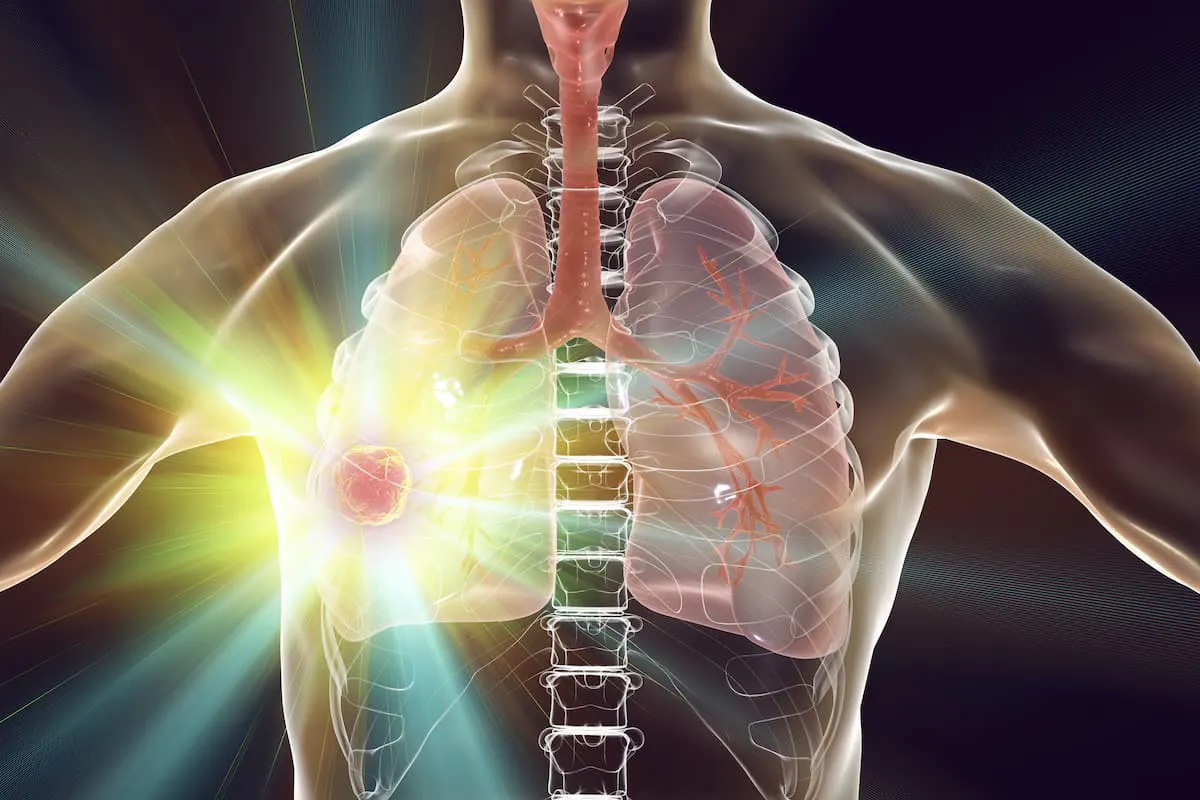
TIVAD or Port Catheters are medical devices that offer a convenient and efficient way to administer treatments, medications, and draw blood. Implanted under the skin, these devices grant healthcare professionals access to a patient's veins, reducing the need for repeated needle insertions.
However, disturbing reports have emerged regarding potential complications stemming from these devices. Individuals who have undergone TIVAD or Port Catheter implantation have come forward with claims of adverse health effects. These complications include infections at the implant site, device malfunctions, blood clotting issues, and even more severe health conditions that have negatively impacted their quality of life.
Side Effects of TIVAD / Port Catheter
Those filing lawsuits allege that Tivad ports have been linked to numerous life-threatening injuries and complications, including:
- Infection at the Implant Site
- Thrombosis (Blood Clots)
- Occlusion or Blockage
- Pain and Discomfort
- Pneumothorax (Collapsed Lung)
- Hemorrhage (internal bleeding)
- Cardiac arrhythmia
- Severe and persistent pain
- Infection
- Sepsis
TIVAD / Port Catheter Claim Compensation for Your Injury
Free Case Review
To make a claim for compensation you need to gather the necessary documents and evidence related to your TIVAD/Port Catheter.
Understanding TIVAD / Port Catheters and Complications
TIVAD or Port Catheters are medical devices that offer a convenient and efficient way to administer treatments, medications, and draw blood. Implanted under the skin, these devices grant healthcare professionals access to a patient's veins, reducing the need for repeated needle inse
However, disturbing reports have emerged regarding potential complications stemming from these devices. Individuals who have undergone TIVAD or Port Catheter implantation have come forward with claims of adverse health effects. These complications include infections at the implant site, device malfunctions, blood clotting issues, and even more severe health conditions that have negatively impacted their quality of life.
Some common side effects of TIVAD / Port Catheters include:- Hemorrhage (internal bleeding)
- Hemorrhage (bleeding)
- Cardiac arrhythmia
- A Death
- Removal surgery
Case Review Form
Evidence-informed medical device review
Campaign guidance, records, and sources
Review the supporting information below before or after completing the private campaign form.
A practical checklist to help organize useful details before review.
Reviewed for intake accuracy by AMMS Compliance Team
Records and details that may help
- Implant card, product label, brand, model, and lot number
- Implant, revision, or removal operative reports
- Imaging, infection, fracture, migration, or embolization records
- Treating hospital, surgeon, and follow-up records
Sources used for intake education
These official references are provided for background education only. They do not replace medical or legal advice.
- FDA medical device recalls databaseOfficial FDA search for device recall records and product details.
1. Submit the intake form
Share your contact details and answer the existing campaign-specific questions.
2. Organize supporting details
Gather the records, dates, communications, and other details listed for this campaign.
3. Intake follow-up
AMMS or an authorized intake partner may contact you for missing or clarifying details.
4. Legal review if appropriate
Qualified legal professionals decide whether a claim can move forward. AMMS does not provide legal advice or guarantee results.
Frequently asked questions
How can I identify the implanted port or catheter?
An implant card, operative report, hospital records, or the treating facility can often identify the brand and model.
Does a recall automatically establish a claim?
No. Product identity, timing, injury, causation, and other facts require individual review.
Related AMMS resources
AMMS Legal Intake Research TeamReviewed for intake accuracy by AMMS Compliance TeamLast reviewed: 09/16/2026
Important: AMMS provides intake and educational information. We are not providing medical or legal advice on this page, and submitting a form does not create an attorney-client relationship. Case value, eligibility, filing deadlines, and legal strategy must be reviewed by qualified professionals.