

Official and authoritative background links used for intake education.
Evidence-informed talcum powder review
Talcum powder lawsuit evidence and review checklist
Talcum powder reviews commonly look at product-use duration, diagnosis records, exposure history, and whether a person has documents that support long-term use of talc-based products.


Talcum Powder Lawsuits
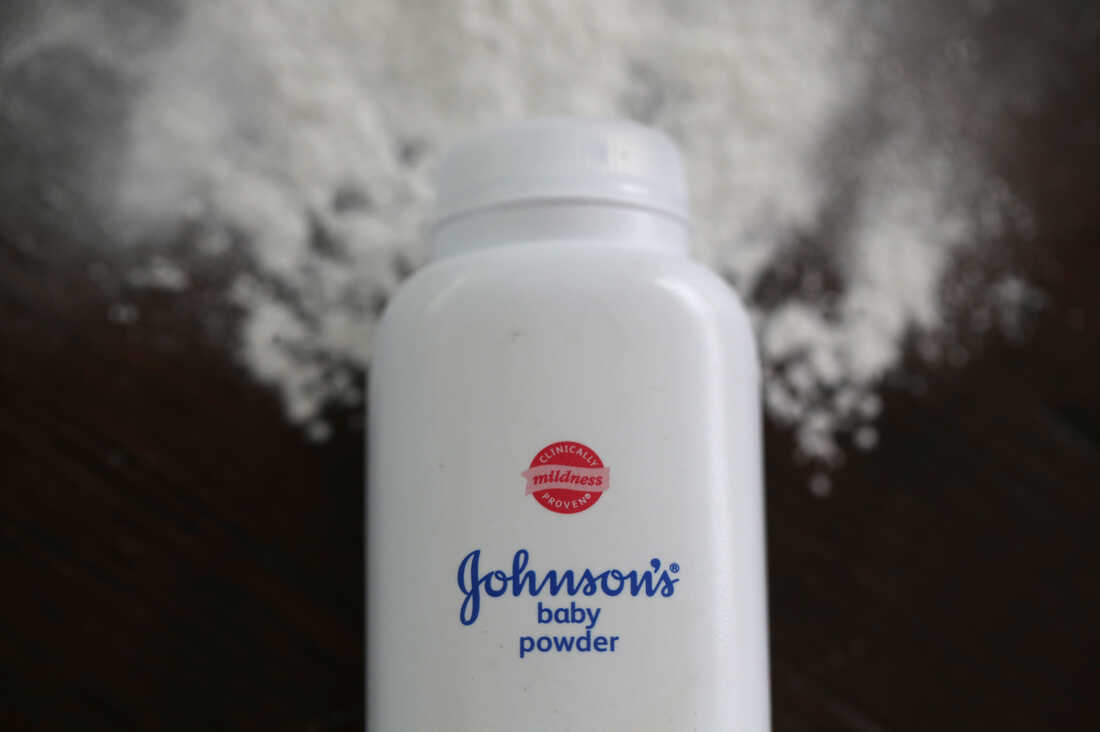
Talcum powder cases allege that baby powder producer were aware that their talc was contaminated with asbestos and might lead to mesothelioma and ovarian cancer, but did nothing to warn consumers. Individual lawsuits represent the majority of the cases, however, at least four class-action lawsuits have been filed. Plaintiffs have recently been awarded billions of dollars in jury decisions.
Talcum Powder Lawsuit Facts
Ovarian cancer, mesothelioma
$4.69 billion in compensatory and punitive damages
Johnson & Johnson; Imerys Talc America; Colgate-Palmolive; Whittaker, Clark & Daniels; Vanderbilt Minerals
Who Is Eligible to File a Lawsuit?
Talc Products Implicated in Ovarian Cancer Lawsuits
- Johnson’s Baby Powder
- Shower to Shower
- Power Spray
- Gold Bond Body Powder
- Gold Bond Extra Strength Body Powder
Women must have used talc-containing goods around the vaginal area daily or practically daily before getting ovarian cancer in ovarian cancer litigation. It’s worth noting that women who used cornstarch-based baby powders aren’t covered by these lawsuits because cornstarch-based powders don’t contain talc.
People who developed ovarian cancer or mesothelioma after using a cosmetic or commercial talcum powder product may be qualified to launch a talcum powder case.
Did you develop cancer after talcum powder exposure?
Free Case Review
People who acquired mesothelioma after using talc-containing goods are also qualified to pursue a claim. Clay, chalk, paper, crayons, pottery, joint compounds, and adhesives are examples of cosmetic, baby powder, and industrial items.
Case Review Form
Evidence-informed talcum powder review
Campaign guidance, records, and sources
Review the supporting information below before or after completing the private campaign form.
A practical checklist to help organize useful details before review.
Reviewed for intake accuracy by AMMS Compliance Team
Records and details that may help
- Talc product brands, years used, and how products were applied
- Diagnosis date, pathology reports, treatment records, and physician information
- Receipts, product photos, family statements, or purchase history if available
- Any prior claim, settlement, or attorney-review information
Sources used for intake education
These official references are provided for background education only. They do not replace medical or legal advice.
- FDA talc informationOfficial FDA information about talc, cosmetic testing, and asbestos-related testing concerns.
1. Submit the intake form
Share your contact details and answer the existing campaign-specific questions.
2. Organize supporting details
Gather the records, dates, communications, and other details listed for this campaign.
3. Intake follow-up
AMMS or an authorized intake partner may contact you for missing or clarifying details.
4. Legal review if appropriate
Qualified legal professionals decide whether a claim can move forward. AMMS does not provide legal advice or guarantee results.
Frequently asked questions
What documents help support talcum powder product history?
Receipts, photos, packaging, purchase records, and family statements can help support product history when available.
Is a free talcum powder review the same as legal representation?
No. A free review is an intake step. Legal representation begins only if a qualified legal professional agrees to accept a claim.
Related AMMS resources
AMMS Legal Intake Research TeamReviewed for intake accuracy by AMMS Compliance TeamLast reviewed: 05/15/2026
Important: AMMS provides intake and educational information. We are not providing medical or legal advice on this page, and submitting a form does not create an attorney-client relationship. Case value, eligibility, filing deadlines, and legal strategy must be reviewed by qualified professionals.