

Official and authoritative background links used for intake education.
Evidence-informed property damage review
Storm damage records and claim checklist
Storm damage reviews focus on photographs, repair estimates, insurance notices, inspection records, and the timeline of the reported loss.


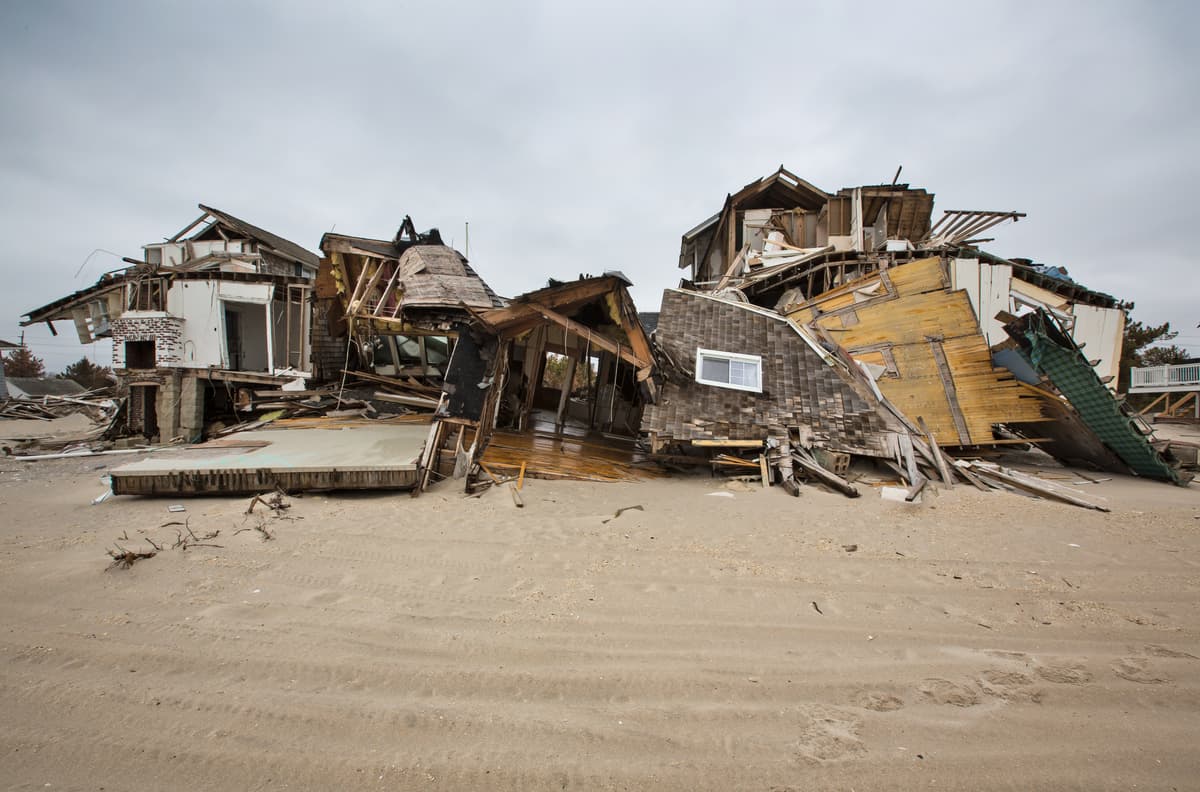
Storm damage lawsuits often arise when insurance companies deny or underpay claims for property damage caused by hurricanes, tornadoes, or severe thunderstorms. These lawsuits allege that insurers acted in bad faith or breached contract by failing to provide adequate compensation for repairs.
Common issues include property damage from wind, flooding, or falling trees, as well as disputes over whether damage is covered under standard homeowners’ policies or requires separate flood insurance.
Private case review
Storm Damage
Answer the questions below. Your submission is private and does not guarantee case acceptance.
Free to submitNo obligationConsent required before submission
What You Need to Know About Filing a Storm Damage Lawsuit
Individuals or businesses may be eligible to file a storm damage lawsuit if their insurance claim for property damage from a storm was denied, delayed, or underpaid. Eligibility typically requires proof of damage (e.g., photos, repair estimates) and evidence that the insurance company failed to honor the policy terms. This may include claims for wind damage, water damage from wind-driven rain, or structural damage from fallen trees.
Lawsuits may also be filed against negligent parties, such as property owners who failed to maintain trees that caused damage during a storm. Claims must be filed within the statute of limitations, which is typically three years for property damage in many states, such as North Carolina. Consulting an attorney can help determine if bad faith insurance practices or negligence applies to your case.
For more information or to discuss your eligibility, complete the form to the right.
Evidence-informed property damage review
Campaign guidance, records, and sources
Review the supporting information below before or after completing the private campaign form.
A practical checklist to help organize useful details before review.
Reviewed for intake accuracy by AMMS Compliance Team
Records and details that may help
- Dated photographs or video of damage
- Insurance policy, claim number, letters, and estimates
- Inspection reports and contractor repair estimates
- Storm date, property address, and mitigation receipts
Sources used for intake education
These official references are provided for background education only. They do not replace medical or legal advice.
- FEMA individual assistance guidanceOfficial guidance about documenting damage, insurance claims, and disaster assistance.
1. Submit the intake form
Share your contact details and answer the existing campaign-specific questions.
2. Organize supporting details
Gather the records, dates, communications, and other details listed for this campaign.
3. Intake follow-up
AMMS or an authorized intake partner may contact you for missing or clarifying details.
4. Legal review if appropriate
Qualified legal professionals decide whether a claim can move forward. AMMS does not provide legal advice or guarantee results.
Frequently asked questions
Should I document damage before repairs?
When it is safe, photographs, videos, inventories, receipts, and inspection records can help document the reported loss.
Does a review guarantee insurance payment or disaster assistance?
No. Insurers and government programs apply their own coverage and eligibility rules.
Related AMMS resources
AMMS Property Intake Research TeamReviewed for intake accuracy by AMMS Compliance TeamLast reviewed: 09/16/2026
Important: AMMS provides intake and educational information. We are not providing medical or legal advice on this page, and submitting a form does not create an attorney-client relationship. Case value, eligibility, filing deadlines, and legal strategy must be reviewed by qualified professionals.