

Official and authoritative background links used for intake education.
Evidence-informed pelvic mesh review
Transvaginal mesh documentation and intake checklist
This intake path organizes mesh product information, implant and revision records, reported complications, treatment history, and current symptoms. Different mesh procedures have different risks and should not be treated as identical.


Transvaginal Mesh (TVM) Lawsuit
Thousands of women have filed lawsuits after suffering serious injuries caused by transvaginal mesh implants. If you've experienced pain, complications, or revision surgeries following mesh implantation for pelvic organ prolapse (POP) or stress urinary incontinence (SUI), you may be entitled to significant compensation.
What Is Transvaginal Mesh (TVM)?
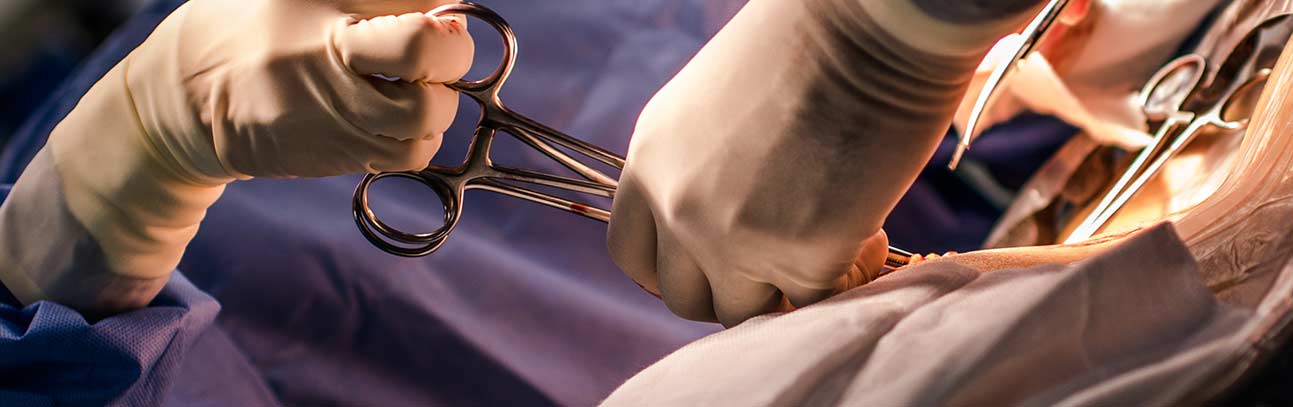
Transvaginal mesh is a medical device surgically implanted to treat conditions like pelvic organ prolapse (POP) and stress urinary incontinence (SUI). Manufacturers claimed these implants offered a long-term solution, but many women reported severe complications soon after surgery.
Common TVM Complications
TVM implants have been linked to severe complications, causing significant pain and health issues for many women.
Common complications include:
- Mesh erosion through vaginal tissue
- Chronic pelvic pain
- Pain during intercourse (dyspareunia)
- Organ perforation (bladder, bowel, uterus)
- Infections and inflammation
- Vaginal bleeding or discharge
- Need for one or more revision surgeries
Manufacturers Facing Lawsuits
Several manufacturers have been named in thousands of lawsuits due to the complications caused by their transvaginal mesh products.
Manufacturers involved include:
- Ethicon (Johnson & Johnson)
- C.R. Bard
- Boston Scientific
- American Medical Systems (AMS)
- Coloplast
Many of these companies have already paid out billions in settlements and jury verdicts.
Compensation for Victims
Victims of TVM complications may be eligible for significant compensation to cover various damages.
Compensation may include:
- Medical bills (including revision surgeries)
- Lost wages and future earning potential
- Pain and suffering
- Emotional distress
- Permanent disability
- Loss of consortium
Some settlements have reached $500,000+ per case, depending on severity and number of surgeries.
Legal Status of the TVM Lawsuit
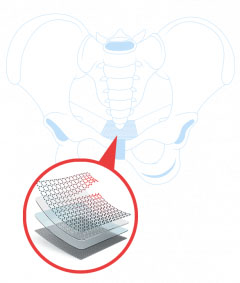
Over 100,000 lawsuits have been filed in federal and state courts due to complications from transvaginal mesh implants. Many cases are part of a Multidistrict Litigation (MDL) in the Southern District of West Virginia. The FDA issued warnings and ordered mesh for POP to be removed from the market in 2019.
Don't Wait – Time May Be Limited
Statutes of limitations vary by state. If you or someone you know has suffered after receiving a transvaginal mesh implant, now is the time to act. You may still be eligible for compensation—but time is running out.
Get a Free Case Review Today
We're here to help. Our experienced mass tort attorneys are standing by to review your case at no cost to you. You don't pay unless we win. Call now or fill out the form to start your TVM lawsuit claim today.
Private case review
tvm lawsuit
Answer the questions below. Your submission is private and does not guarantee case acceptance.
Free to submitNo obligationConsent required before submission
Evidence-informed pelvic mesh review
Campaign guidance, records, and sources
Review the supporting information below before or after completing the private campaign form.
A practical checklist to help organize useful details before review.
Reviewed for intake accuracy by AMMS Compliance Team
Records and details that may help
- Implant card and operative report
- Mesh brand, model, and procedure type
- Revision, removal, imaging, and complication records
- Treating surgeon and facility information
Sources used for intake education
These official references are provided for background education only. They do not replace medical or legal advice.
- FDA urogynecologic surgical mesh informationOfficial FDA information distinguishing pelvic organ prolapse mesh and stress urinary incontinence procedures.
1. Submit the intake form
Share your contact details and answer the existing campaign-specific questions.
2. Organize supporting details
Gather the records, dates, communications, and other details listed for this campaign.
3. Intake follow-up
AMMS or an authorized intake partner may contact you for missing or clarifying details.
4. Legal review if appropriate
Qualified legal professionals decide whether a claim can move forward. AMMS does not provide legal advice or guarantee results.
Frequently asked questions
Are all pelvic mesh procedures the same?
No. The FDA distinguishes transvaginal mesh for pelvic organ prolapse, transabdominal mesh, and mesh slings for stress urinary incontinence.
What records help identify the mesh?
Implant cards, operative reports, hospital records, and revision records are the most useful starting points.
Related AMMS resources
AMMS Legal Intake Research TeamReviewed for intake accuracy by AMMS Compliance TeamLast reviewed: 09/16/2026
Important: AMMS provides intake and educational information. We are not providing medical or legal advice on this page, and submitting a form does not create an attorney-client relationship. Case value, eligibility, filing deadlines, and legal strategy must be reviewed by qualified professionals.