



Lawsuits concerning talcum powder claim that manufacturers knew their products contained asbestos, potentially causing ovarian cancer and mesothelioma, yet failed to issue proper warnings to the public. While individual claims make up the bulk of filings, several class-action lawsuits have also been initiated. Plaintiffs have successfully secured billions in compensation through jury verdicts.
January 2026 Update
As of January 2026, over 90,000 lawsuits face Johnson & Johnson (J&J) alleging their talc-based baby powder causes ovarian cancer and mesothelioma due to asbestos contamination. Despite J&J's failed bankruptcy attempts to settle, recent, significant jury verdicts, including a $40 million award in December 2025, continue to hold the company liable.
Key 2026 Talc Lawsuit Updates
Mass Litigation: More than 90,000 cases are pending, with new filings continuing.
Legal Setbacks: In December 2025, a Los Angeles jury ordered J&J to pay $40 million to two women with ovarian cancer.
International Action: In October 2025, a major lawsuit was filed in the UK representing 3,000 people, alleging J&J knew of asbestos contamination as early as the 1960s.
Bankruptcy Strategy: J&J's attempts to use the "Texas Two-Step" bankruptcy to resolve liabilities were dismissed by courts in 2023, though appeals and mediation continue.
Product Shift: J&J discontinued talc-based baby powder globally in 2023, switching to cornstarch, but maintains its products are safe.
Allegations and Scientific Evidence
Contamination: Plaintiffs argue that talc, which is mined near asbestos, was contaminated with carcinogenic fibers.
Cancer Links: Studies, including a 2024 NIH study, found a link between perineal talc use and ovarian cancer.
Failure to Warn: Lawsuits claim the company failed to warn consumers about the risks of using the powder for feminine hygiene.
Medical conditions such as Ovarian Cancer and Mesothelioma have been linked to usage.
Billions of dollars have been awarded in jury verdicts, including a landmark $4.69 billion judgment.
Major companies involved include Johnson & Johnson, Colgate-Palmolive, Imerys Talc America, and others.
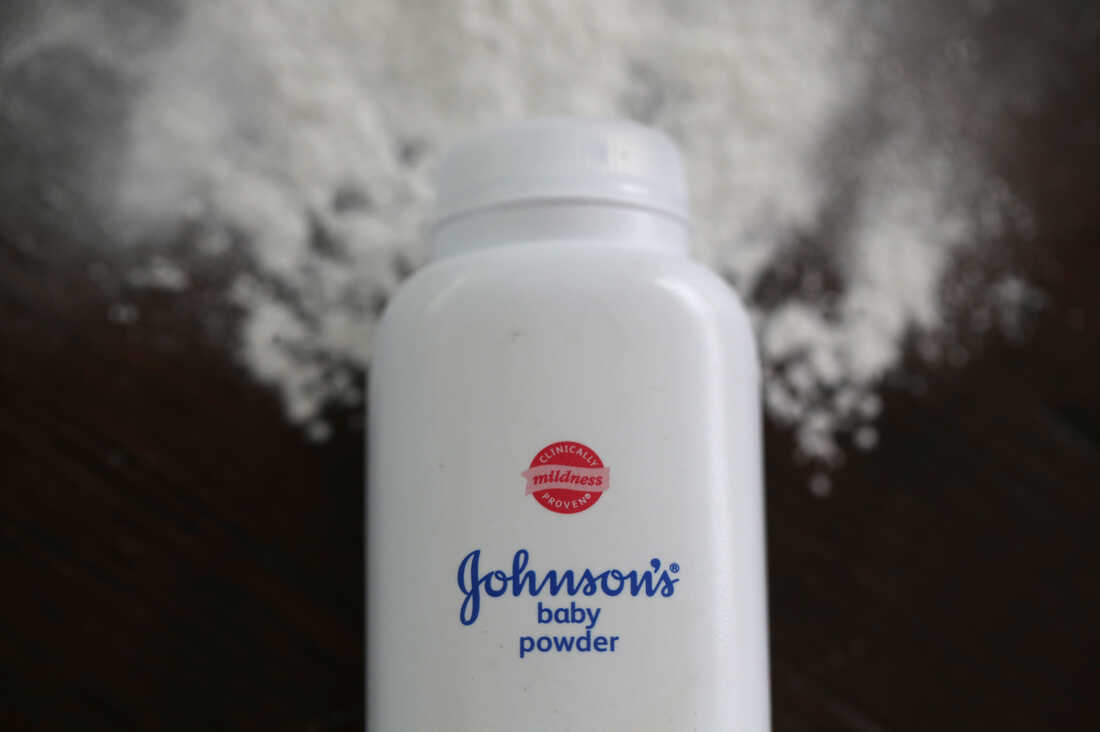
- Johnson’s Baby Powder
- Shower to Shower
- Gold Bond Body Powder
- Various cosmetic talc products
To be eligible for ovarian cancer litigation, individuals must have used talc-based products on or around the genital area on a daily or frequent basis prior to their diagnosis. Note that products based on cornstarch are not included in these lawsuits as they do not contain talc.
Free Claim Evaluation
If you developed mesothelioma from using cosmetic or industrial talc products—such as clay, chalk, or pottery supplies—you may also have a claim.
Case Review Form